The Quadrat. Issue #1, Spring 2024

The name of this newsletter pays homage to early editions of the University of California Natural Reserve System (UCNRS) newsletter, The Transect. A transect, in scientific parlance, is a straight line of predetermined length that is drawn through a landscape or habitat across which scientists collect biologically relevant data. Imagine for a moment that you are walking through a large shurbland and you want to know how many amphibians are found there. It would be nearly impossible to find, let alone count, all the frogs, newts, and salamanders in this habitat. To address this challenge, researchers walk along a transect and make systematic measurements by recording what they see at regular intervals. These cross-sectional measurements can then be used to extrapolate to a larger swathe of a landscape. Meanwhile, a quadrat is another commonly used biological surveying tool that is essentially a small, square-shaped frame. Often constructed out of PVC pipes or wood, the interior of a quadrat is strung up with a lattice of wires or cords creating an even grid. Researchers place these frames on the ground and count out the number of plants or animals within the boundaries of this smaller, predefined area.
First published in print in 1982, The Transect was used to disseminate news and updates from staff and researchers working across the UCNRS. An archive of these print articles is now completely accessible online. Since 2014, Kathleen Wong (Director of Communications at UCNRS) has continued to provide a “transectional” view of this UC systemwide wide program through an online newsletter featuring scientists conducting research across 41 of the UC Natural Reserves (sign up here). With the publication of The Quadrat, we focus on a much smaller slice of this large network of protected lands. This biannual newsletter will feature work from the natural reserves managed by UC Berkeley. Our team is dedicated to democratizing knowledge while inspiring curiosity and wonder about the natural world. More importantly, we seek to address the growing divide between researchers and members of the public by training the next generation of science communicators. Each semester, we will work with students to bring you updates on exciting research projects, field classes, and outreach programs hosted at our reserves.
This spring, it was my pleasure as the editor to work with three exemplary undergraduate students from the Rausser College of Natural Resources through the SPUR program. These student writers worked hard for several months, conducting on-site interviews, editing videos, writing, and re-writing to bring you the first-ever issue of The Quadrat. Ivonne Liang’s delightful piece features mammals, mega fires and, unexpectedly, a musical journey with Beyoncé. Libby Oren’s outstanding eye for detail captures a day in the field of a scholar who explores ecosoundscapes on the reserves. Finally, Weiran Zhu learns from a researcher studying the crucial relationship between micro-organisms and giant redwoods along the coast of California. The young researchers they interviewed are at the forefront of their disciplines, providing us with a nuanced understanding of the interconnected nature of ecological dynamics in changing environments. We thank them for their time and dedication, and we thank you, readers, for sharing their stories.

I met Dr. Kendall Calhoun on a particularly cold day on the western slopes of the Diablo Range in California. My team and I had arrived at Blue Oak Ranch Reserve—one of Calhoun’s research field sites—and we were getting our equipment ready: microphone, notebook, tripod, camera…check, check, check, check. The plan was to visit a few spots on the reserve where Calhoun had set up some wildlife monitoring equipment. Our car, lovingly named Keanu (after the actor), had trouble navigating the reserve’s steep and rocky terrain, so we piled into Calhoun’s (nameless) four-wheel drive.
I was nervous. This was the first time I would be interviewing a research scientist, and I did not know what to expect. Here was a researcher who had spent years dedicating himself to scientific pursuits, and here I was, just in my third year in college.
“One, two, three–,” the Bluetooth car stereo murmured. Calhoun reached towards the stereo to change the channel, putting on an ambiguous radio tune.
“Was that the new Beyoncé album?” I asked. We had been blasting the newly released Cowboy Carter on repeat during our drive to the reserve. I immediately recognized the four-count intro to the song “Bodyguard”, one of my favorites.
“Yes, I recently started listening to it,” Dr. Calhoun replied. “Should I put it on as we drive?”
“I would love that!” I answered, emphatically. As we launched into a discussion of our favorite tracks on the album, my previous anxieties were suddenly calmed: our shared love for Beyoncé had bridged the gap between our identities. I was reminded of the fact that researchers are people, too, with interests beyond their scientific pursuits. We hit the unpaved road with me riding shotgun and a smile on my face.
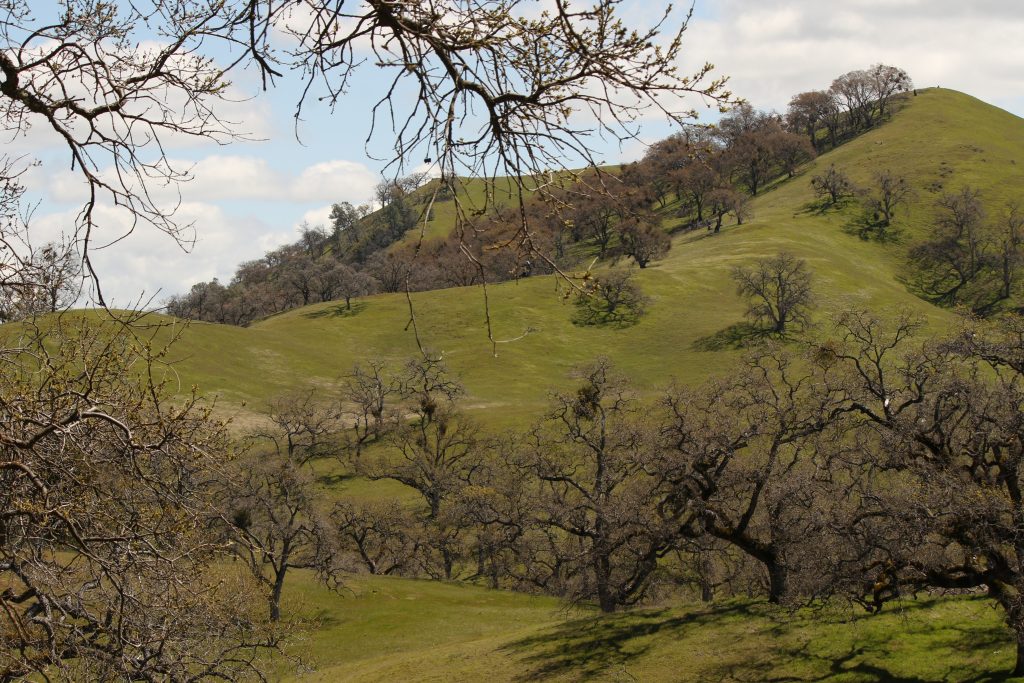
As we drove through Blue Oak, I gazed out across the terrain. If you look closely enough, the echoes of a massive wildfire peek through that sprawling green landscape. Not long ago, Blue Oak was charred and battered by the 2020 Santa Clara Unit (SCU) Lightning Complex Fire (Stephens, 2020), which sprawled across multiple northern California counties, including Santa Clara, San Joaquin, Alameda, Contra Costa, and Stanislaus. The SCU complex quickly escalated into one of the largest and most destructive wildfire events in the state’s recent history, encompassing over 396,000 acres of land (CAL FIRE). Like many recent wildfires in California, its ferocity consumed everything in its path, reducing houses to ash and shattering livelihoods.
Thousands of people faced evacuations, injuries, and the daunting task of rebuilding their homes. However, most news coverage of the impacts of this fire largely ignored the fact that other kinds of homes were also destroyed. Across the state, wild animals often bear the brunt of ecological crises like wildfire. And their habitats take much longer to recover.
Remnants of the impacts of the SCU complex are obvious with a closer look, and Calhoun patiently pointed out these signs on the landscape, from scars on trees to burnt wood pieces on the ground. Calhoun’s research aims to address the gap in our knowledge of how ecological disturbances influence wildlife community assemblages in habitats across California. He notes that the consequences of anthropogenic change on the frequency and intensity of wildfires have the potential to drastically alter the dynamics of human-wildlife conflict.
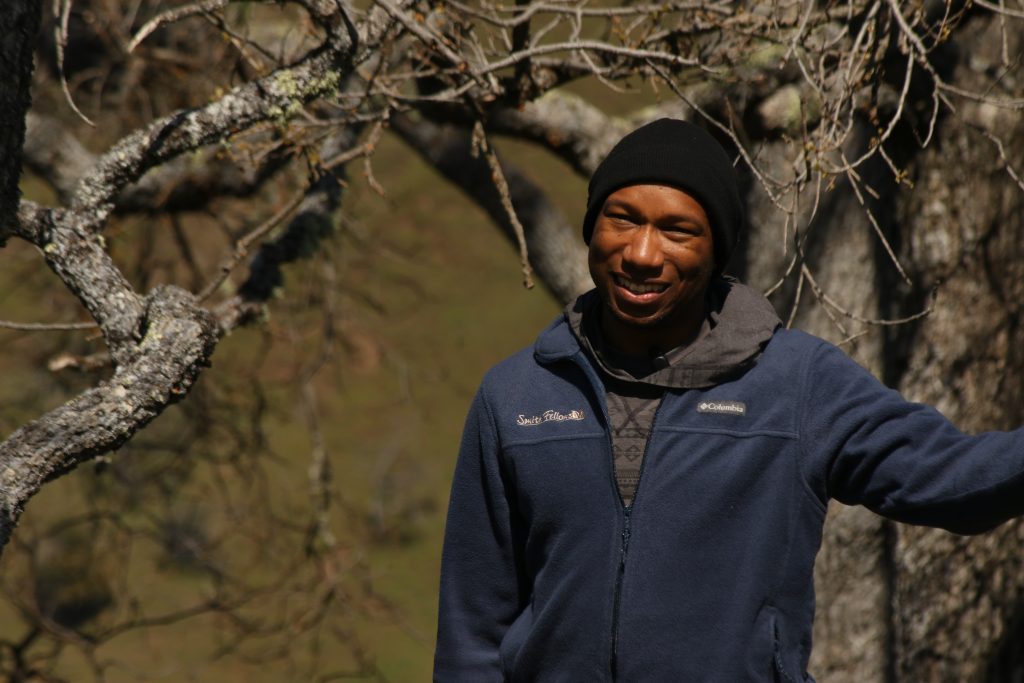
Like the subjects he studies, Calhoun is from California. He grew up in Tracy, a city in the Central Valley, and was always interested in wildlife. For many kids of his generation, if you liked animals and wanted a job working with them, you were told to become a zookeeper or a veterinarian. He didn’t really know there were other career paths that would allow him to explore these interests. This quickly changed when he attended UC Berkeley as an undergraduate. It was at college that he was able to explore his childhood interests in wildlife biology. Through classes in the College of Natural Resources and the Department of Integrative Biology, he was able to do fieldwork and research, providing him with a myriad of opportunities to learn about natural history and ecology. In addition to his coursework, the Biology Scholars Program was absolutely critical to launching his career as a wildlife biologist. This initiative opened the doors to a field of study that has historically had limited participation by people of color and other minorities. It was through this program that he could finally see a future for himself as a researcher.
Calhoun graduated with a degree in Molecular Environmental Biology in 2015 and went on to pursue graduate studies at UC Berkeley in the Department of Environmental Science, Policy, and Management, working with Dr. Justin Brashares. For his PhD dissertation research, he examined the impact of recent megafires on oak woodland habitats and the resilience of native Californian mammal and bird populations (Calhoun et al., 2023). His work on the reserves was partially supported by the Carol Baird Student Award for Field Research.
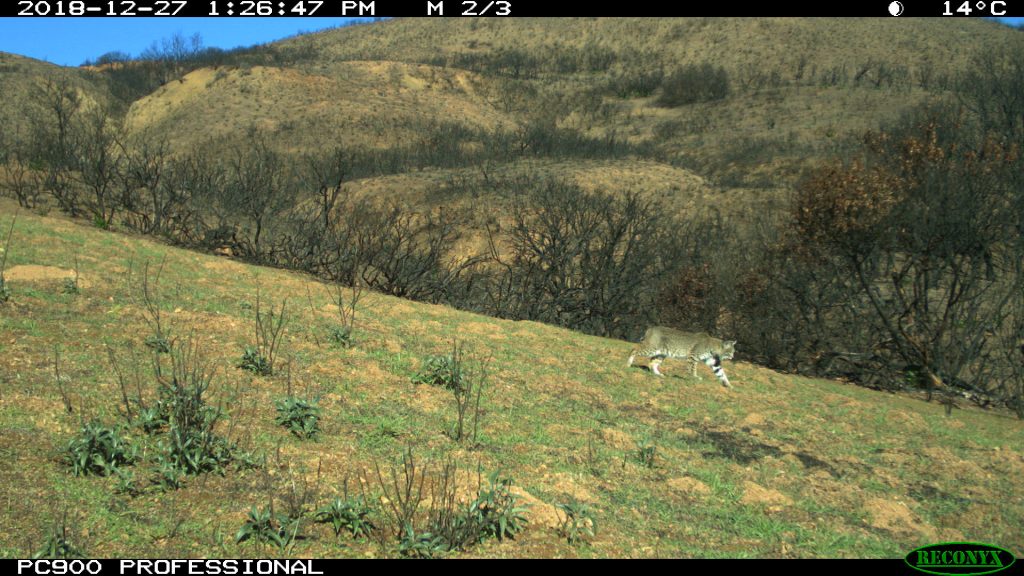
Currently working as a postdoctoral scholar jointly based at UC Davis and UCLA, Calhoun is planning to develop management plans for various fire scenarios. He aims to identify how we can use prescribed burns to promote healthy ecosystems and wildlife populations. This work requires him to consider how global change factors like rainfall and drought patterns might influence how wild animals are interacting with people in the long term.
To this end, Calhoun is examining the effects of different types of fire across several protected areas. His study will tease apart how certain fire characteristics influence the behavioral responses of different species of mammals, including black-tailed deer (scientific name: Odocoileus hemionus columbianus), wild boars (Sus scrofa), mountain lions (Puma concolor), bobcats (Lynx rufus), coyotes (Canis latrans), gray foxes (Urocyon cinereoargenteus), western gray squirrels (Sciurus griseus), California ground squirrels (Otospermophilus beecheyi), and black-tailed jackrabbits (Lepus californicus) . He is now working across four field sites managed by the University of California, which include three Natural Reserves (Blue Oak Ranch Reserve, Hastings Natural History Reserve, Quail Ridge Reserve) and one Agricultural and Natural Resources (ANR) site (Hopland Research & Extension Center). These sites have all burned within the last 5 to 10 years and will serve as natural experimental replicates in his study.
With the help of a handheld GPS device, Calhoun is able to navigate the landscape with ease. After a short 20-minute drive, we arrived at one of his study sites on the reserve, which was directly within the fire scar of the SCU Complex. To monitor large mammal biodiversity, Calhoun has set up several camera traps across Blue Oak in both experimental areas that had previously burned as well as control areas that were unburned. Calhoun usually sets up his cameras in areas with high animal traffic, often near roadways. These motion-triggered infrared cameras allow him to take photos of animals in the wild without disturbing them. This data can be used to determine species richness, habitat usage, and animal activity patterns.
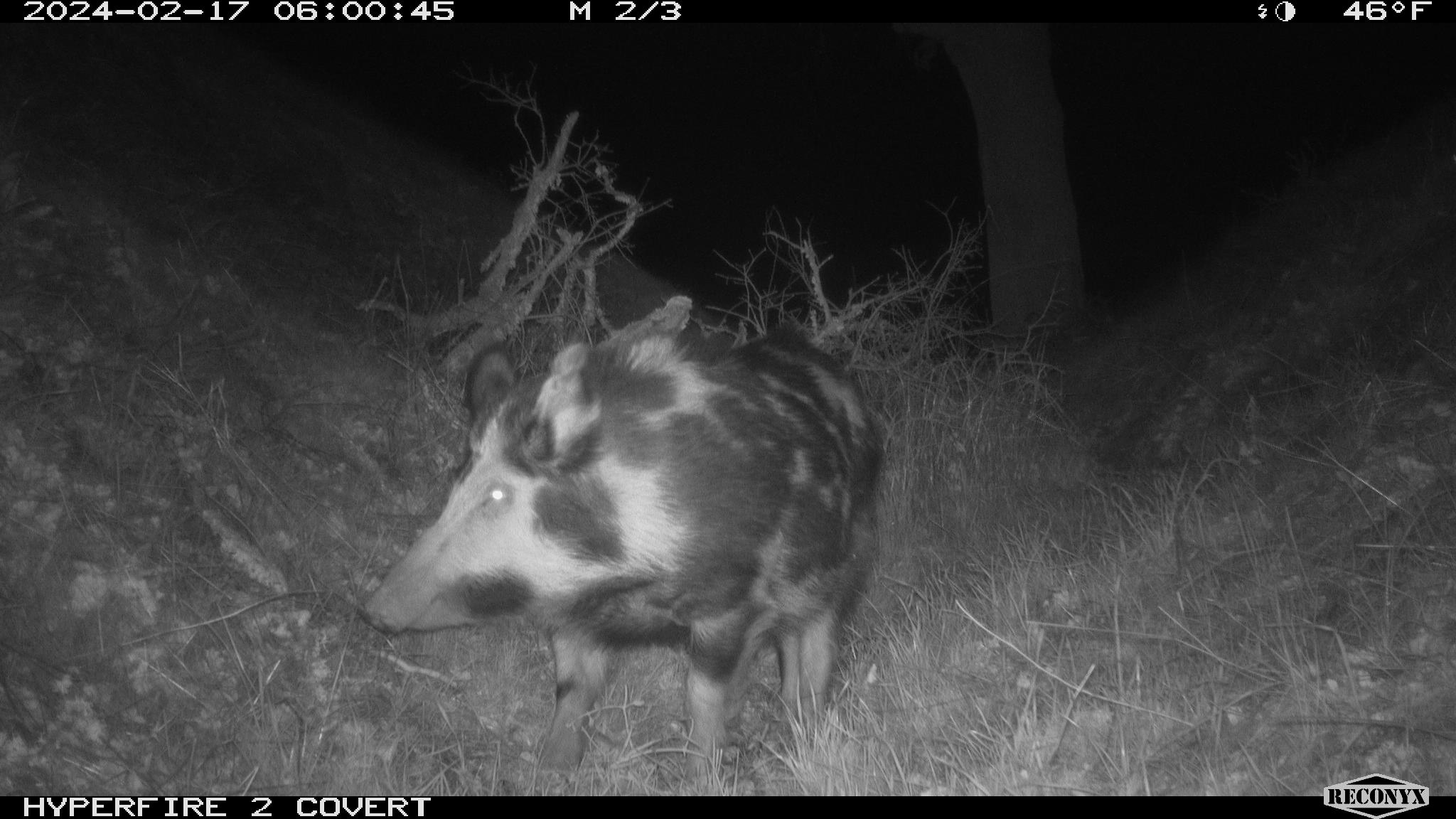

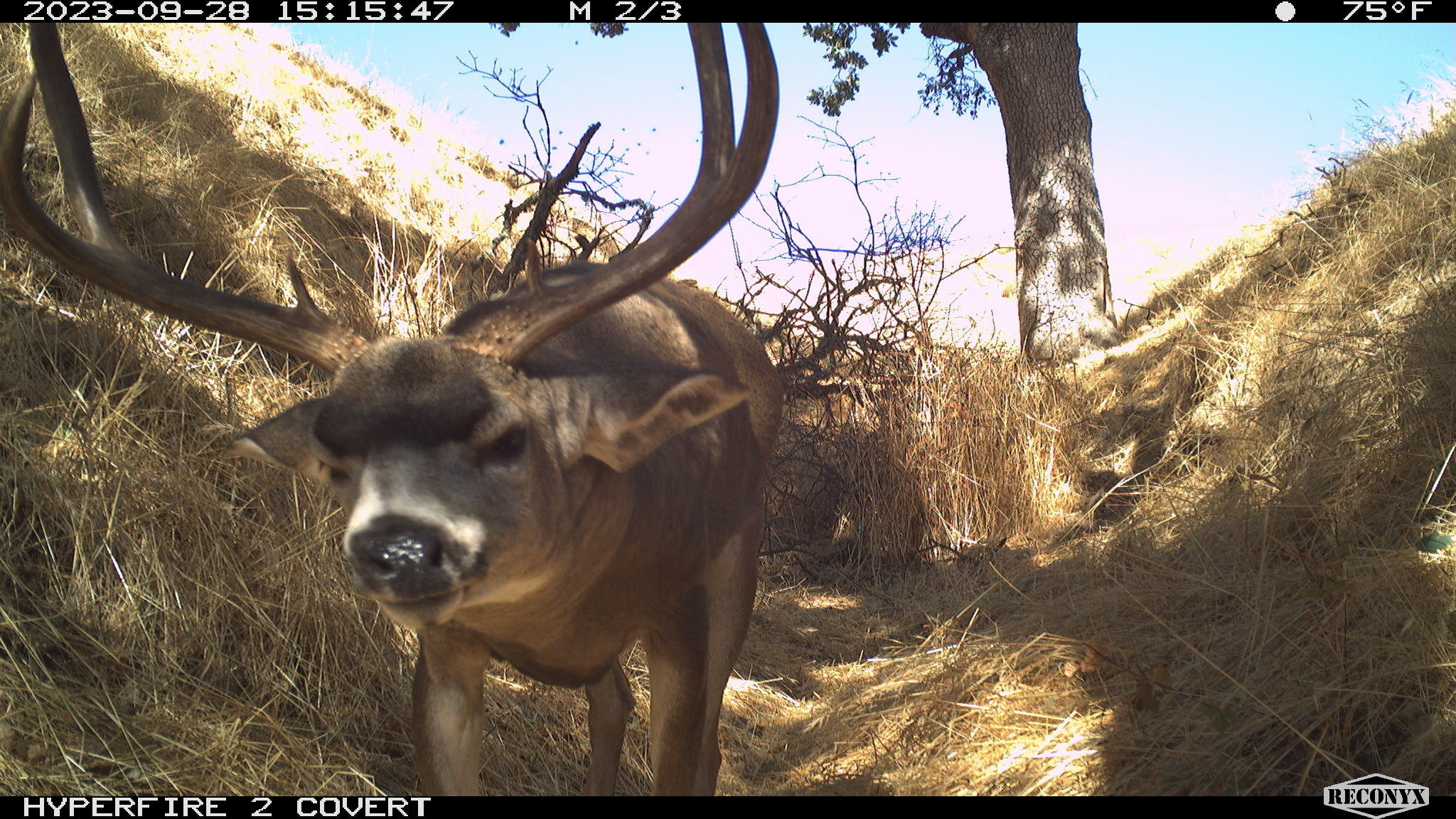

These devices are secured on trees, at approximately hip height, with screws and a lock, not because of the threat of human theft but rather the mortal enemies of camera trapping: wild pigs and tall grass. Camera traps are not a fool-proof method for wildlife monitoring. If not properly secured, curious animals can easily knock them down. Another challenge is due to the very nature of motion detection: tall grass will bend easily with the wind and trigger the sensors. Although new software like Wildlife Insights can be used to discard “empty” camera trap images (i.e., without any animals), Calhoun and his team still have to comb through thousands of photos. To reduce this risk, Calhoun uses a thin blade to trim any overgrown foliage in front of the camera’s line of sight.
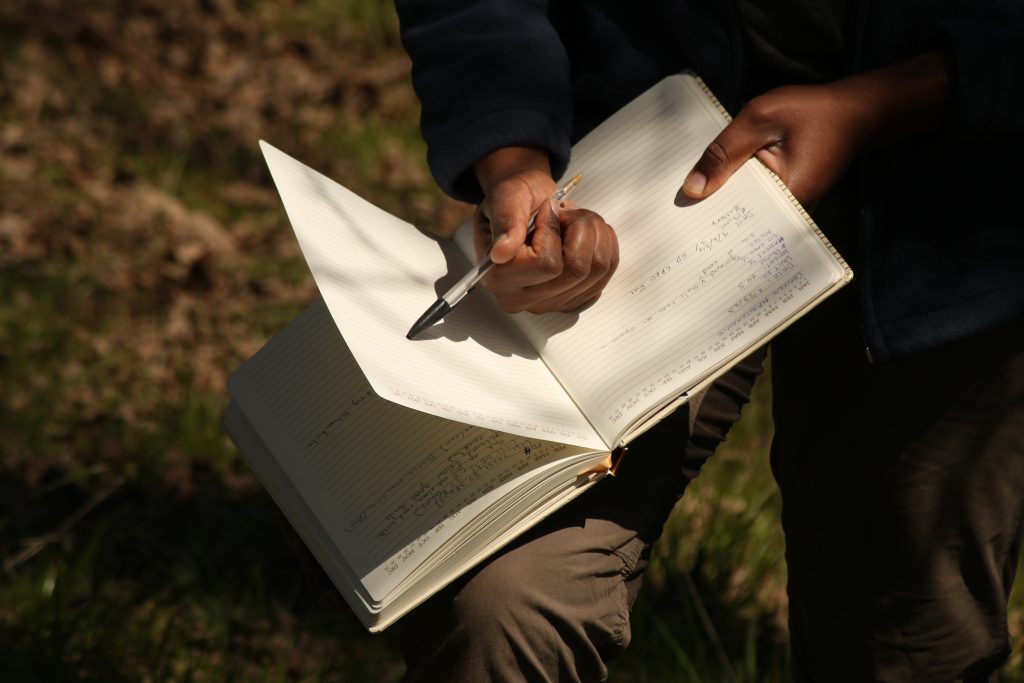
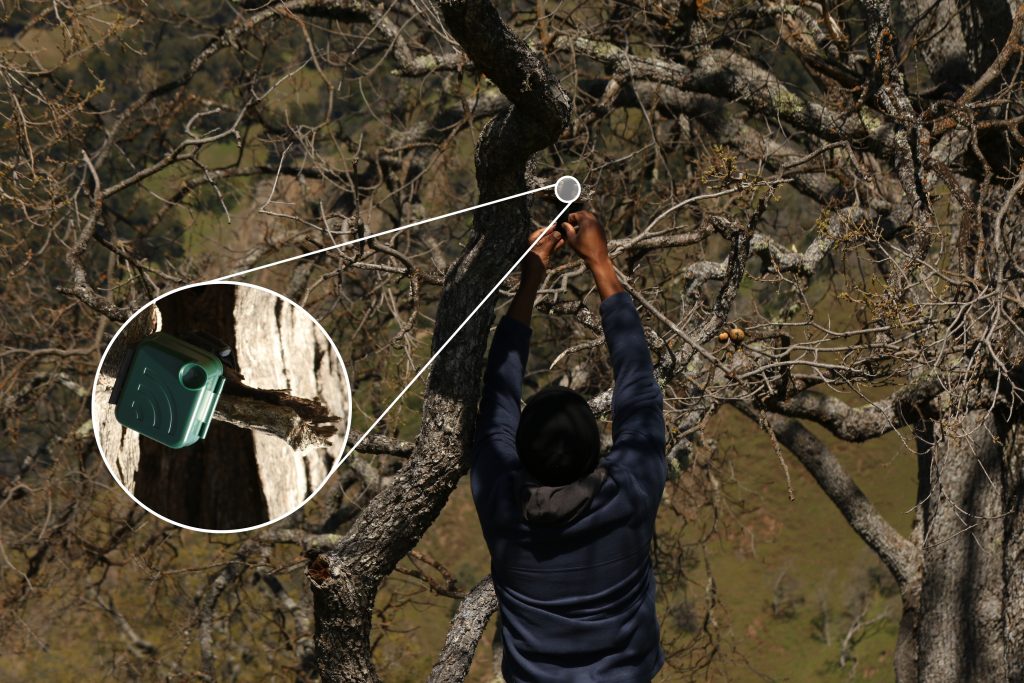
In addition to using camera traps to monitor mammal activity, Calhoun utilizes acoustic monitoring devices to record bird songs and calls. He places small devices called AudioMoths near the camera traps, securing them firmly to the branches of trees. The devices are programmed to record only in the early morning hours to capture the dawn chorus, the collective cacophony of birdsong that commences at the start of the day. This leads to hours of recordings that Calhoun and his team of undergraduate interns will have to sort through, and these birds are no Beyoncé! Analyzing this kind of acoustic data can be long and arduous. Fortunately, new technology and deep learning AI tools such as BirdNET are rapidly being developed to help classify the calls and songs of different bird species. This means that researchers may no longer have to manually sift through recordings for hours on end.
Though his postdoctoral research project is still ongoing, Calhoun plans to use multiple years of data previously collected during his PhD dissertation to understand the longterm effects of fire in oak woodland habitats. This is important because much of the existing research has examined wildlife diversity in burned conifer habitats, which is what people typically imagine when they think of a forest fire. This perspective provides a much more nuanced story of the impact of megafire on wildlife.
There is no future without fire in California. We need to learn how to adapt and coexist with wildlife in this new shared reality. Calhoun hopes that his work will help inform management decisions to create more resilient ecosystems. “It’s really important to me to do research that’s relevant to California because I grew up here, and I care about the biodiversity of our incredible state. That’s really near and dear to me, and I think that’s why I do what I do and why I think investigating how fire and drought are influencing these wildlife communities is important for the future of conservation.” As Calhoun packs up his field backpack, I look out across the hills, hoping for a glimpse of coyote or bobcat. The city of San Jose glimmers in the distance. I know Calhoun’s work here today will have a meaningful impact on both the human and non-human residents near Blue Oak.
References
CAL FIRE. Santa Clara Unit. (2020, October 21). SCU Lightning Complex. The California Department of Forestry and Fire Protection. https://www.fire.ca.gov/incidents/2020/8/16/scu-lightning-complex
Calhoun, K. L., Goldstein, B. R., Gaynor, K. M., McInturff, A., Solorio, L., & Brashares, J. S. (2023). Mammalian resilience to megafire in western US woodland savannas. Ecosphere, 14(7). https://doi.org/10.1002/ecs2.4613
Stephens, T. (2020) Wildfire expands Blue Oak Ranch hydrology study. UCNRS Newsletter. November 5, 2020. https://ucnrs.org/wildfire-expands-hydrology-study-at-blue-oak-ranch/
Author Profile:
Ivonne Liang (she/they) is studying Environmental Economics & Policy and Conservation & Resource Studies with an Area of Interest in Science Communication. She is passionate about making sure that science is accessible and available to all. She hopes to spark joy and interest in the natural world by highlighting the fascinating research that scientists are conducting on the Berkeley Reserves through different forms of media.
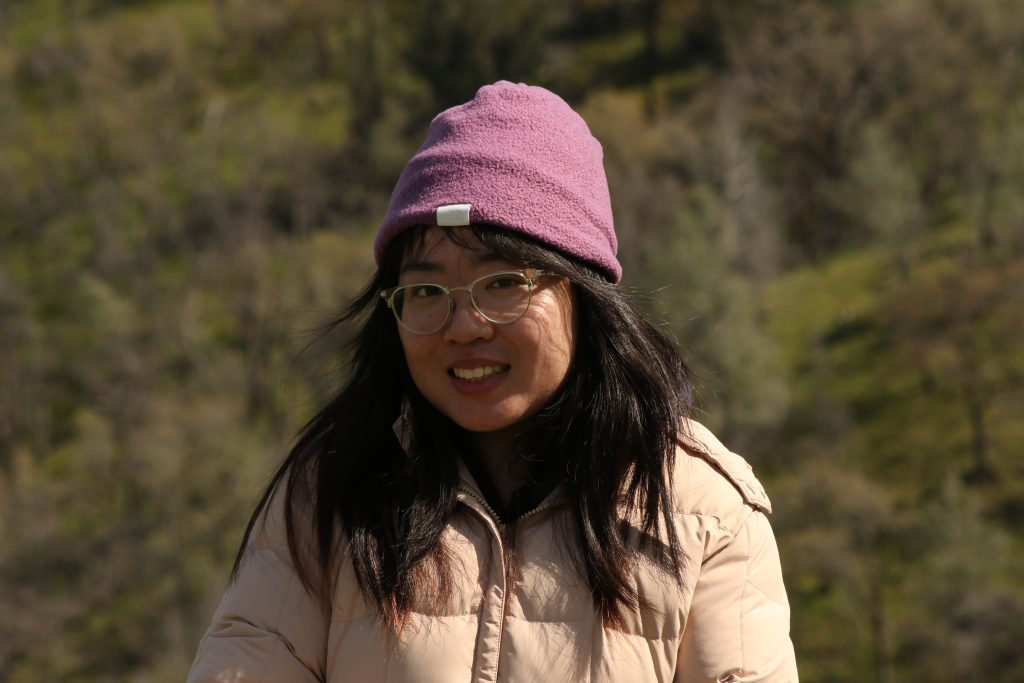
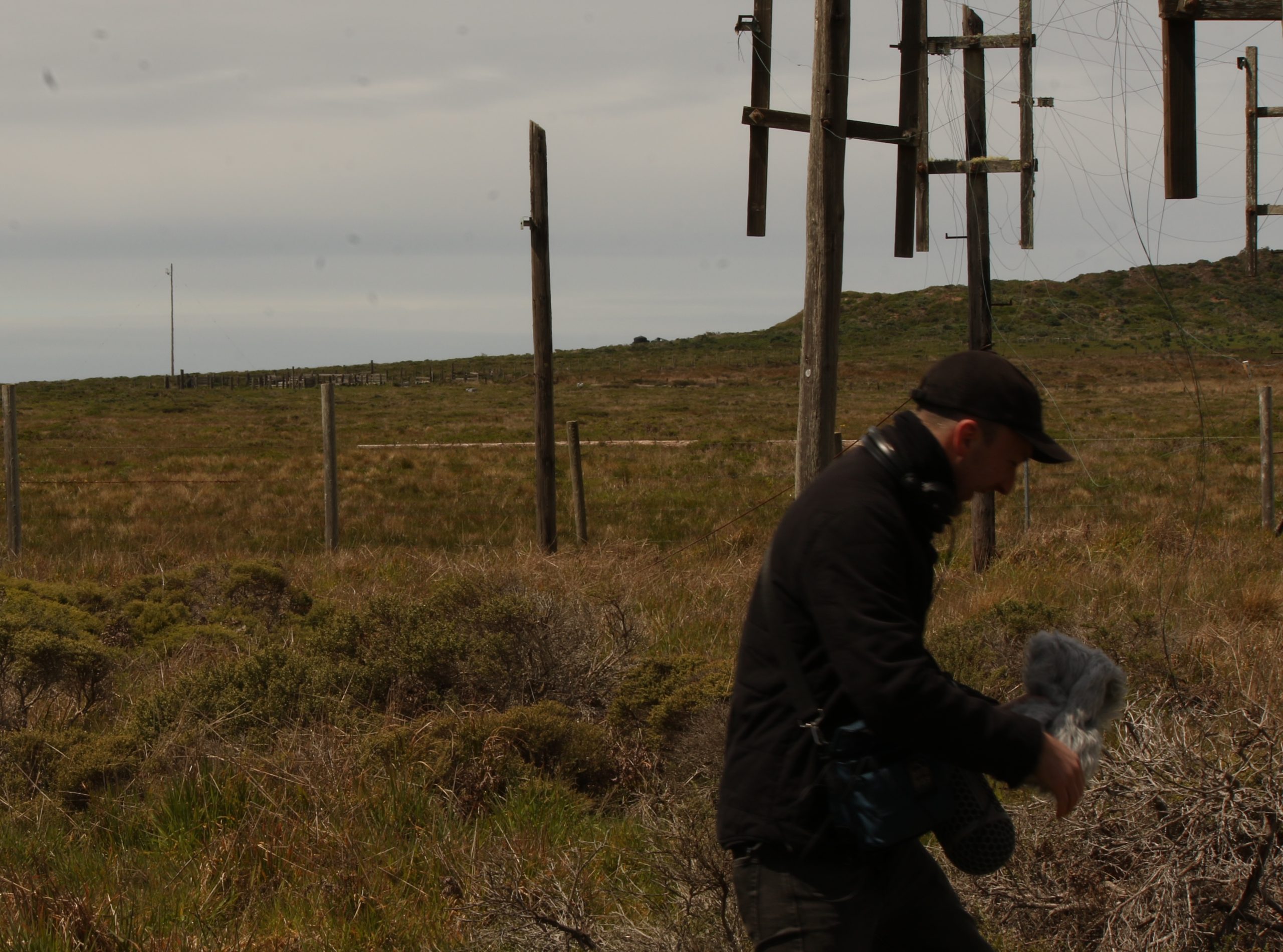
Kevin Corcoran is an MFA student in the Environmental Art & Social Practice program at the University of California, Santa Cruz. Through field-based sound recordings, Corcoran explores the interface between abandoned architecture and natural spaces. He is currently working at multiple sites across the UC Natural Reserve System, including at Point Reyes Field Station, where this interview was conducted.

Videographer Profile:
Libby Oren (they/them) is a Los Angeles based poet studying Conservation and Resource Studies at UC Berkeley. Oren graduated from Venice High School, where they were the co-captain of the poetry team. They brought their team to the final stage of the GetLit Classic Slam, largest youth poetry slam in the US, twice, participated in the Emerging Writers Fellowship twice, and is a two-time finalist in GetLit’s Why I Rise Competition. They performed for FOX TV’s Pride Month poetry video, which has over 1.5 million views and was broadcast on national television. When they’re not writing, they can be found attempting to save their local garden, or otherwise enjoying talking to trees. They also love fountain pens.
If you have a potted plant in your home, you’ve probably had to figure out how to keep the thing alive. You may have subjected it to random bouts of drought because you forgot to water it for a couple of weeks. Or maybe it experienced sudden periods of overwatering to remedy your unintentional neglect. Perhaps you’ve left the air conditioning unit on over the scorching summer. You’ve essentially created a micro-environment where your plant must cope with frequent variations in moisture and temperature. But how much water does your plant actually need to survive? And are there other factors you haven’t considered to keep it healthy?
These questions are not new to Rebecca Choi. However, the plant species she works with is quite a bit larger than the one in your home. She is studying redwood trees (Sequoia sempervirens). Unlike you or I, as we struggle to adjust our watering regimes, Choi and her colleagues are looking for answers for a macroscopic system on a microscopic level. Choi is a PhD student in the Department of Integrative Biology at the University of California, Berkeley, working in both the Dawson Lab and the Shapira Lab. She began exploring questions about redwood adaptability to changing environmental conditions after an initial pilot study by Emily Dewald-Wang, a Masters student in the Koskella Lab. Dewald-Wang’s work helped lay the foundations for Choi’s current dissertation project on redwood tree health.
Rather than focus solely on the external environment, Choi is zooming in to examine the phyllosphere, the community of microbes and fungi that live on the epiphytic (i.e., outer) and endophytic (i.e., inner) layer of redwood leaves. These small, humble microorganisms have a complex, dynamic relationship with the tall and majestic redwood trees. Choi wants to know if microbes play a role in a tree’s responses to changing external conditions. “When [conditions] drastically change, it is harder for forests to remain resilient,” Choi remarked. This approach provides a different perspective to the study of a forest’s capacity to withstand the effects of climate change.

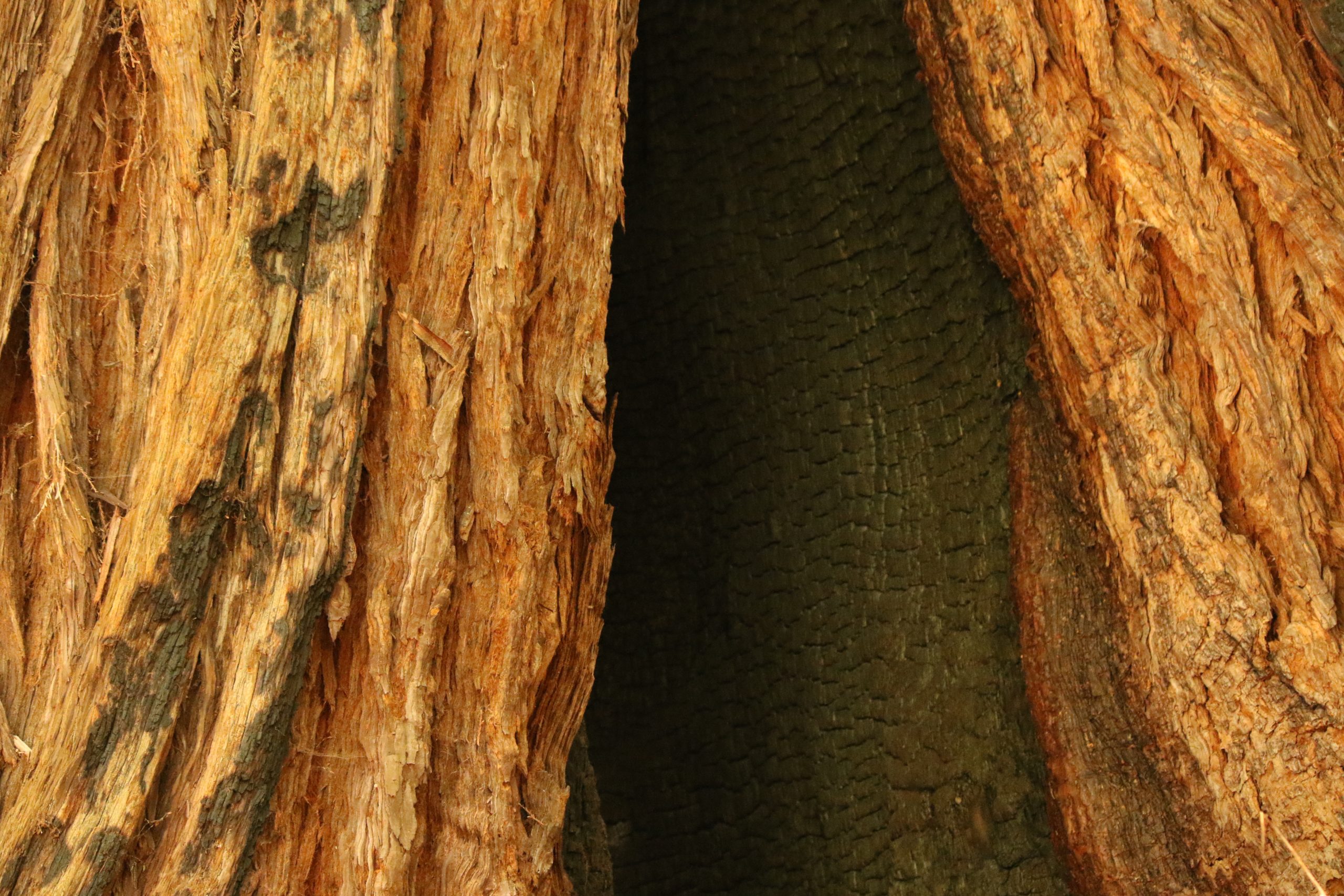
Consider a redwood forest, covering hundreds of acres of land in Northern California. This forest is highly water limited, with little to no rainfall during the months of May through August. Now, unlike your indoor potted plant, the plants in this forest must also cope with two additional variables: ravaging fires and receding fog. The latter constitutes 30-40% of the water utilized by these trees. Research by Dr. Todd Dawson—one of Choi’s dissertation advisors—suggests that this primary source of hydration has rapidly declined since the 1960s (Johnstone & Dawson, 2010). A warming environment is contributing to a reduction in the amount of fog our coastlines experience and an increased frequency of megafires in California. “It’s been somewhat gradual over the last few decades,” Choi noted. If the decline in fog levels continues, these forests may shrink in size (Anderson, 2016).
Choi is worried about how forests are becoming increasingly vulnerable to future environmental disturbances and hopes to address this issue with her research. Currently in the exploratory phase of her project, she wants to determine if there is geographic variation in the microbial communities living on redwoods found across a range of climates. To answer this question, she is planning to sample redwood leaves across several sites in Northern California, including Big Creek Natural Reserve and Angelo Coast Range Reserve. These habitats differ in the two key aspects she is most interested in: fire frequency and fog levels.
Fires can rapidly ravage a dry forest. In 2020, severe fires charred the redwoods at Big Creek Natural Reserve (Oseghae et al., 2024). Many of the older trees survived, however they were left unstable and seriously damaged, with microscopic physiological changes to the surfaces of their leaves. “If one component goes down, it can drastically create a domino effect across the ecosystem, ” she said. As the forest slowly regenerates, Choi has a hunch that there’s a core microbiome that supports the recovery of redwoods after fire.
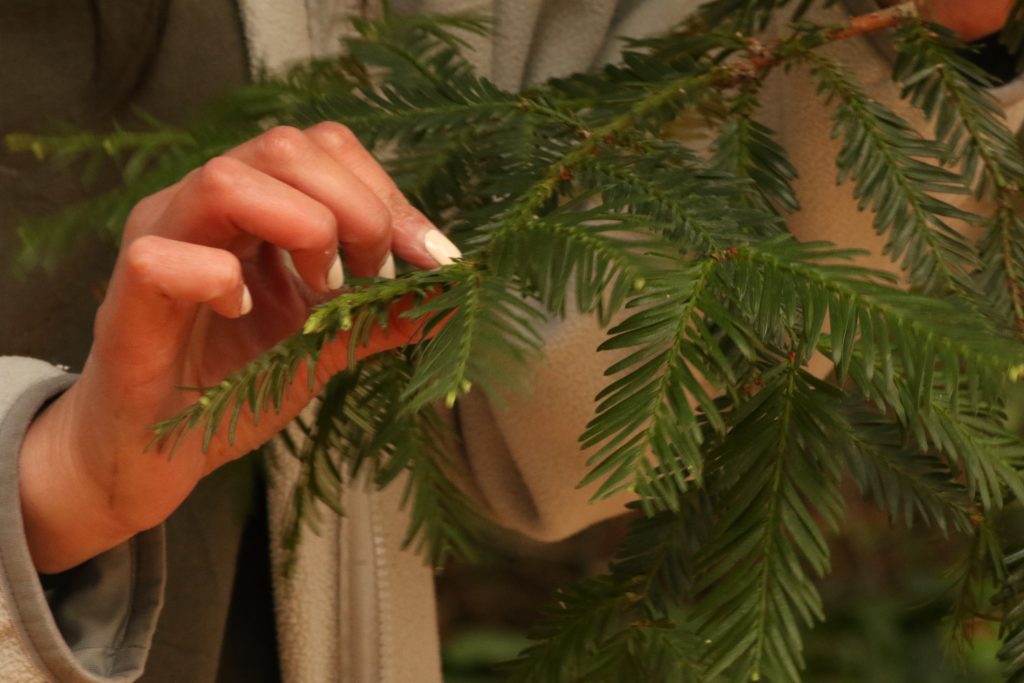
A simple sampling kit will accompany Choi through most of her field work: a pair of scissors, a ziplock bag, and a little spray bottle filled with ethanol, used to sterilize her tools between each snip of a branch. She plans to collect a few branches each from several redwood trees, bag them in the field, and then bring them back to the laboratory on campus. She will then rinse, bleach, and crush these leaves to collect all the microbes living on them. Afterwards, she plans to send her samples for 16S amplicon sequencing for bacteria and ITS sequencing for fungi, to get a profile of the microbial communities from different sites (Illumina). As this process inevitably destroys the sample, Choi is also considering culturing and saving some of these microbes for more controlled growth experiments in the future.
She and other researchers have hypothesized that the phyllosphere is potentially serving a function in water retention (Carrell & Frank, 2015). Although she has a long way to go before she can confirm her hypotheses, Choi is excited by the potential implications of a core microbiome that serves a protective role in the health of our forests. How might these microbes be interacting with redwoods? For instance, are they playing an adaptive role in a tree’s resistance to pathogens? Or perhaps they are influencing the tree’s metabolism rates on a cellular level?
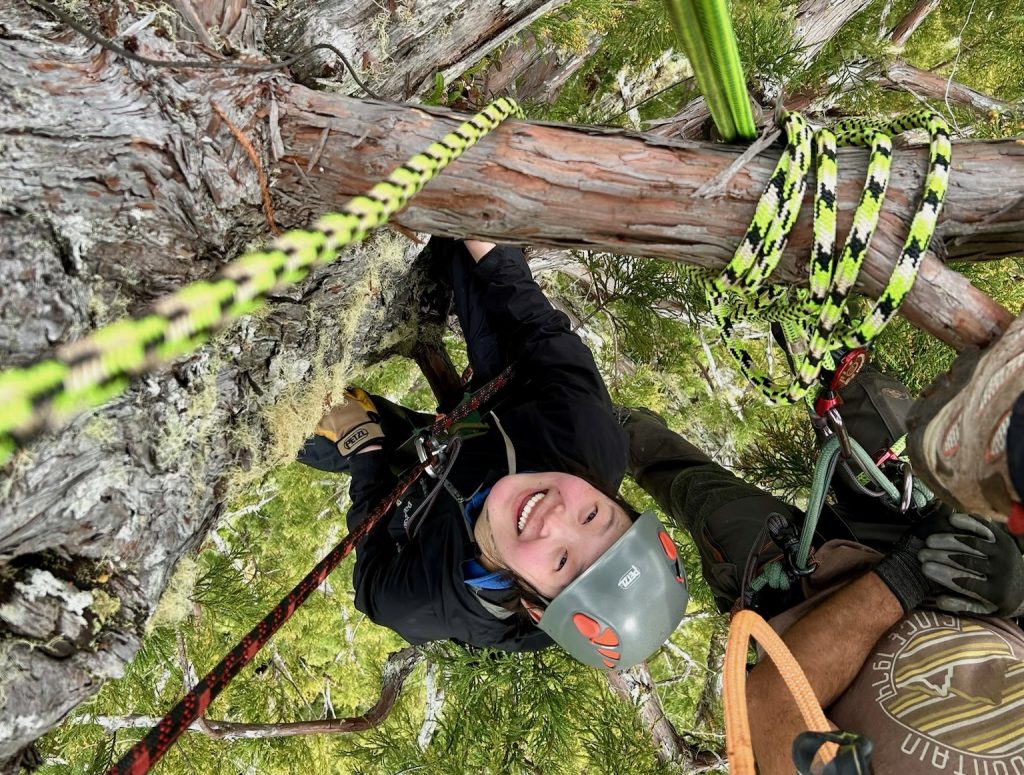
Choi remains grounded in the reality of challenging field research projects such as this one and will take the help wherever she can find it. She understands that science is not an individual endeavor. She recently took a tree-climbing class with Drs. Lucy and Nick Kerhoulas, two prominent redwood researchers who run the Forest Physiology Lab at Cal Poly Humboldt. With their support, she climbed a tree for the first time, a 30-meter redwood, no less! The next day, after an initially scary start, she climbed a bigger tree that was almost 90 meters tall. Grateful for her instructors’ patience and expertise, she noted, “It’s a really fun, collaborative experience!”
Despite their differing backgrounds and levels of expertise, they shared in that intimate moment a sense of awe, fear, and respect, way up top at the height of the towering redwood canopy. She remarked, “You’re on the side of this tree…like a small blip in this tree’s life…it’s a very rewarding experience once you get up there.”
Though she plans to sample across a few different habitats, Choi pointed out a few limitations to the scope of her current project. There are no doubt variations in microbial communities both across forests, due to the geographical gradient from northern to southern California, as well as within forests, due to the vertical gradient from the lower to upper reaches of a redwood tree (Espinosa‐Garcia & Langenheim, 1990). In fact, there may even be differences between branches. But Choi remains optimistic about her research plan. “There’s an aspect of persistence. There are so many exciting pieces, but, you know, your progress isn’t always linear.” She has learned from her past field research experiences that it is important to let go of one’s initial expectations, especially when dealing with unpredictable seasons and conditions which may reveal unexpected trends in the data.
“Sometimes you have to take a break and say, I have no idea how to figure this out right now, and that’s okay! Think about a different thing…and then come back to your initial question, because [research] is a long process,” Choi noted calmly. She is waiting patiently for results from her study, which was recently funded by the Carol Baird Student Award for Field Research. Choi hopes that in the long run, her work on the often overlooked phyllosphere will help address important questions about redwood health. With the looming threats of drought and megafires across the state, her research may be crucial for shaping future stewardship practices that will allow us to ensure the longevity of California’s majestic redwood forest ecosystems.
References
Anderson, L. (2016, October 27). Foggy Link Between Redwoods, Climate Change. https://ucnrs.org/foggy-link-between-redwoods-climate-change/
Carrell, A. A., & Frank, A. C. (2015). Bacterial Endophyte Communities in the Foliage of Coast Redwood and Giant Sequoia. Frontiers in Microbiology, 6, 1008. https://doi.org/10.3389/fmicb.2015.01008
Espinosa‐Garcia, F. J., & Langenheim, J. H. (1990). The Endophytic Fungal Community in Leaves of a Coastal Redwood Population Diversity and Spatial Patterns. New Phytologist, 116(1), 89–97. https://doi.org/10.1111/j.1469-8137.1990.tb00513.x
Johnstone, J. A., & Dawson, T. E. (2010). Climatic Context and Ecological Implications of Summer Fog Decline in the Coast Redwood Region. Proceedings of the National Academy of Sciences, 107(10), 4533–4538. https://doi.org/10.1073/pnas.0915062107
Oseghae, I., Bhaganagar, K., & Mestas-Nuñez, A. M. (2024). The Dolan Fire of Central Coastal California: Burn Severity Estimates from Remote Sensing and Associations with Environmental Factors. Remote Sensing, 16(10), 1693. https://doi.org/10.3390/rs16101693
Author Profile:
Weiran Zhu is a freshman majoring in Conservation & Resource Studies at UC Berkeley. She enjoys hiking and collecting leaves she finds along trails her favorite tree is the dawn redwood (Metasequoia). She grew up with these lovely old trees back home in China, and has always enjoyed watching their leaves change color through the seasons. She is passionate about exploring the intersection of art, journalism, and environmental research.